

Have you ever promised yourself that today would be the day you finally start exercising at home only to end up scrolling through social media or watching TV instead? You’re not alone. Millions of people struggle to stay motivated when working out at home. Without a gym environment, personal trainer, or workout partner, it can be difficult to stay committed.
The good news is that motivation isn’t something you’re born with. It’s something you can build. By creating the right habits, environment, and mindset, you can transform home workouts from a chore into a rewarding part of your daily routine.
In this guide, you’ll discover practical strategies to stay motivated, overcome excuses, and make exercise a lasting habit.
Why Is It So Hard to Exercise at Home?
Many people assume that working out at home should be easier because it’s convenient and free from commuting. However, home workouts come with unique challenges.
Common Obstacles Include:
- Lack of accountability
- Household distractions
- Limited workout space
- Difficulty creating a routine
- Low energy or motivation
- Unrealistic fitness expectations
Understanding these obstacles is the first step toward overcoming them.
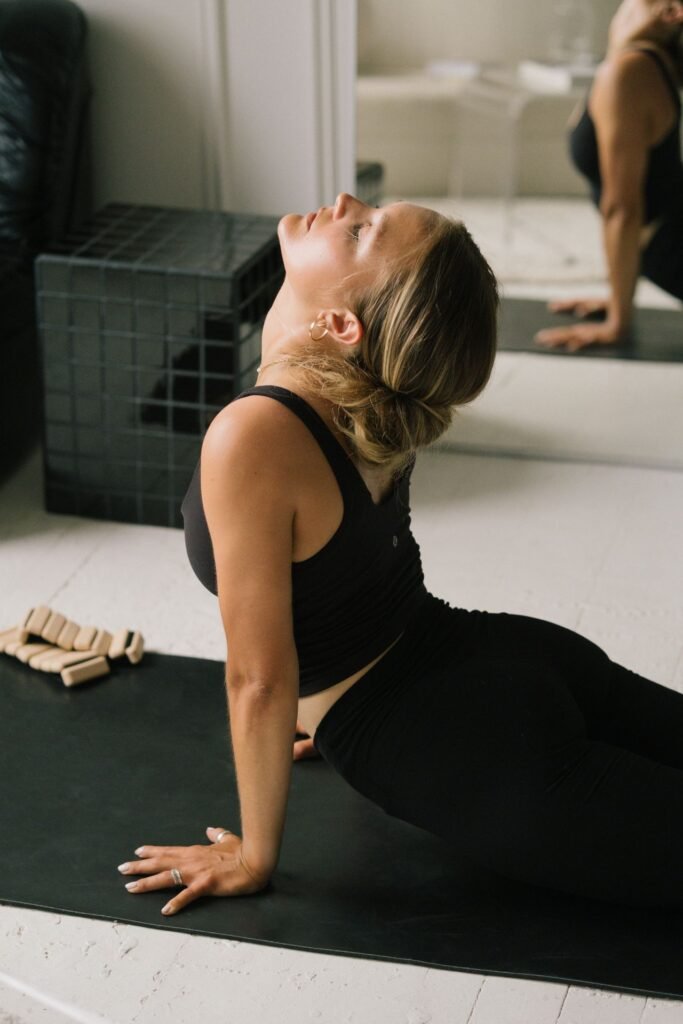
The Benefits of Exercising at Home
Before focusing on motivation, it’s important to remember why home workouts are worth the effort.
Convenience
You can exercise whenever it fits your schedule without traveling to a gym.
Cost Savings
Home workouts eliminate gym membership fees and transportation costs.
Privacy
Many people feel more comfortable exercising in their own space without worrying about being judged.
Flexibility
Whether you have 10 minutes or an hour, you can find a workout that fits your day.
Long-Term Consistency
The easier exercise becomes to access, the more likely you are to stick with it.
Set Clear and Realistic Fitness Goals

One of the biggest motivation killers is not having a clear objective.
Instead of saying:
“I want to get fit.”
Try:
- I want to lose 10 pounds in 3 months.
- I want to exercise 4 days per week.
- I want to complete 20 push-ups without stopping.
- I want to improve my energy levels.
Use the SMART Goal Method
Your goals should be:
- Specific
- Measurable
- Achievable
- Relevant
- Time-bound
Having a target gives you a reason to keep showing up even when motivation is low.
Create a Dedicated Workout Space
Your environment has a huge impact on your behavior.
When exercise equipment is hidden away, it’s easy to forget about working out.
How to Set Up a Home Workout Area
You don’t need a full home gym.
A simple setup may include:
- Yoga mat
- Resistance bands
- Dumbbells
- Water bottle
- Towel
Keep these items visible so you’re constantly reminded of your fitness goals
Build a Consistent Routine
Motivation comes and goes, but routines create lasting habits.
Choose a specific time for exercise every day.
Examples:
- 7:00 AM before work
- During lunch break
- 6:00 PM after work
The more consistent your schedule becomes, the less you will rely on motivation.
Treat Exercise Like an Appointment
If it’s on your calendar, you’re more likely to do it.
Schedule your workouts just as you would an important meeting.
Start Small and Build Momentum
Many people quit because they try to do too much too soon.
Instead of committing to a one-hour workout every day, start with:
- 10-minute walks
- 15-minute bodyweight workouts
- Simple stretching sessions
Focus on Progress, Not Perfection
Even a short workout is better than no workout.
Small wins build confidence and create momentum.
Find Workouts You Actually Enjoy
One of the easiest ways to stay motivated is to choose activities you genuinely like.
If you hate running, don’t force yourself to run.
Consider:
- Dance workouts
- Yoga
- Pilates
- Strength training
- HIIT workouts
- Walking
- Cycling
Enjoyment increases consistency, and consistency produces results.
Track Your Progress
People often lose motivation because they don’t see immediate results.
Tracking progress helps you recognize improvements that might otherwise go unnoticed.
What to Track
- Workout days completed
- Weight changes
- Body measurements
- Strength improvements
- Energy levels
- Mood improvements
Use a notebook, mobile app, or fitness journal.
Every small improvement is evidence that your effort is working.
Use Positive Self-Talk
Your mindset plays a major role in your fitness success.
Negative thoughts such as:
- “I’m too lazy.”
- “I’m not athletic.”
- “I never stick to anything.”
Can become self-fulfilling prophecies.
Replace them with:
- “I’m getting stronger every day.”
- “Every workout counts.”
- “Consistency beats perfection.”
- Celebrate Small Victories
- Reward yourself for staying consistent.
- Examples include:
- Watching your favorite movie
- Buying new workout clothes
- Taking a relaxing rest day
- Positive reinforcement makes habits easier to maintain.
Eliminate Common Excuses
Everyone experiences excuses from time to time.
The key is preparing for them in advance.
I Don’t Have Time”
Even 15 minutes of exercise can improve health and fitness.
I’m Too Tired”
Ironically, exercise often increases energy levels.
I Don’t Know What Workout to Do”
Create a simple weekly workout plan before the week begins.
I’ll Start Tomorrow”
The best time to start is today, even if it’s only for a few minutes.
Find Accountability
Accountability can dramatically improve consistency.
Workout With a Friend
Even if you’re exercising at home, you can stay connected through video calls or fitness apps
.
Join Online Fitness Communities
Fitness groups provide support, encouragement, and inspiration.
H3: Share Your Goals Publicly
When others know about your goals, you’re more likely to follow through.
Focus on How Exercise Makes You Feel
Many people focus only on physical changes.
While weight loss and muscle gain are great goals, exercise provides many immediate benefits.
These include:
- Better mood
- Reduced stress
- Improved sleep
- Increased confidence
- More energy
Paying attention to these benefits can make exercise feel rewarding from day one.
Create a Motivation Playlist
Music can boost workout performance and improve your mood.
Create a playlist filled with songs that energize and inspire you.
Many people find that listening to music makes workouts feel easier and more enjoyable.
Visualize Your Future Success
Take a few minutes each day to imagine achieving your fitness goals.
Picture yourself:
- Feeling healthier
- Looking stronger
- Having more energy
- Completing challenging workouts
Visualization can strengthen commitment and help you stay focused during difficult moments.
What to Do When Motivation Disappears
Even the most dedicated athletes experience days when they don’t feel like exercising.
The secret is understanding that action creates motivation not the other way around.
Commit to just five minutes.
Most of the time, once you start moving, you’ll continue.
Remember:
You don’t need to feel motivated to begin.
You only need to begin.
Final Thoughts
Learning how to motivate yourself to exercise at home is less about finding endless motivation and more about creating systems that support consistency.
Set clear goals, build a routine, create an encouraging environment, and focus on progress rather than perfection. Over time, these small actions will develop into powerful habits that help you stay active and healthy for years to come.
The hardest part is often getting started. Once you take that first step, every workout becomes a vote for the healthier, stronger version of yourself.
Start today. Start small. Stay consistent. Your future self will thank you.